Social Media Strategist
Content Producer
High-performing video content
published consistently.
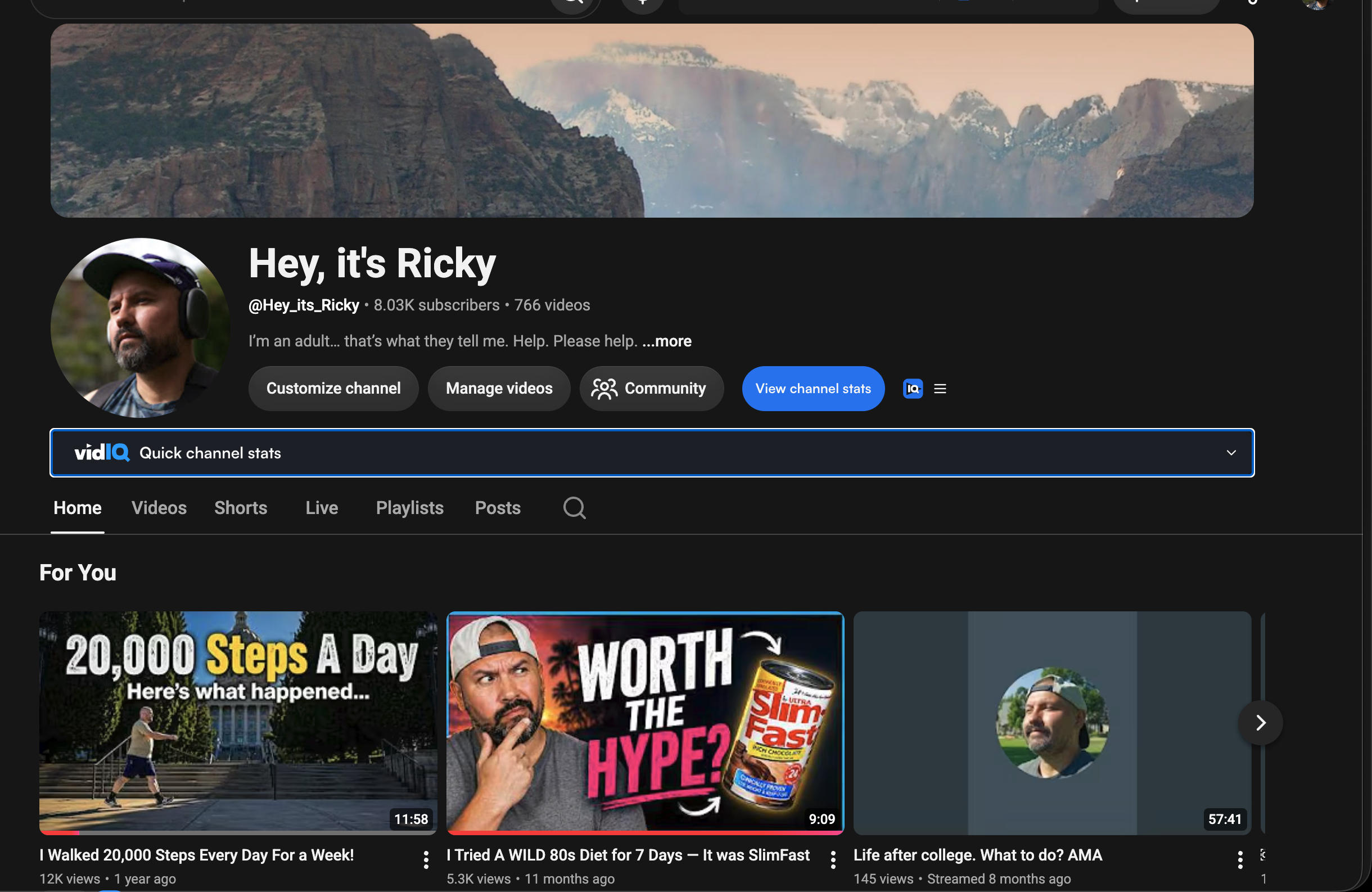
Youtube
Views: 2,400,000+
Subscribers: 8,007
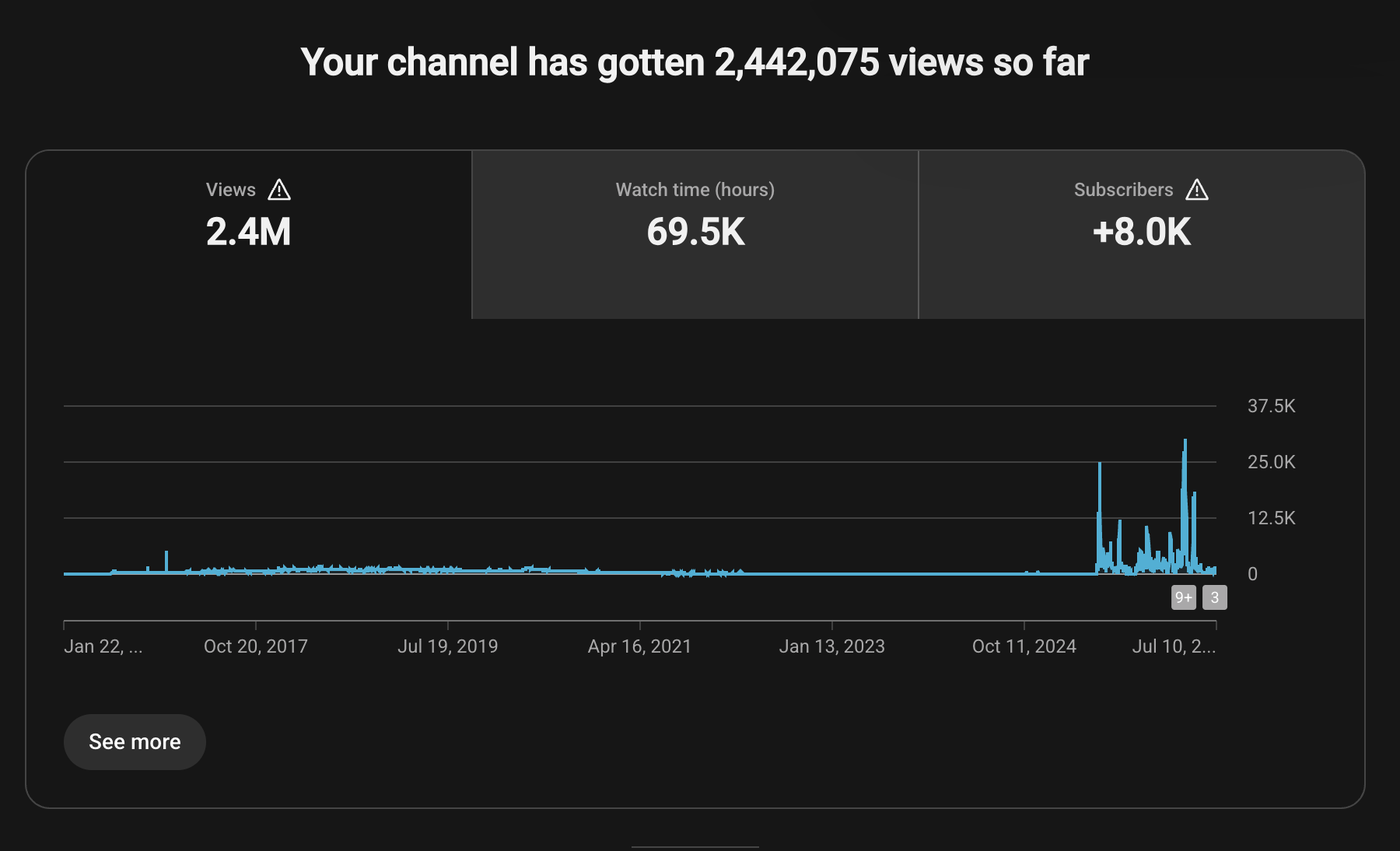
Views: ~37,900 Views reached in 30 days
Interactions: ~2,300

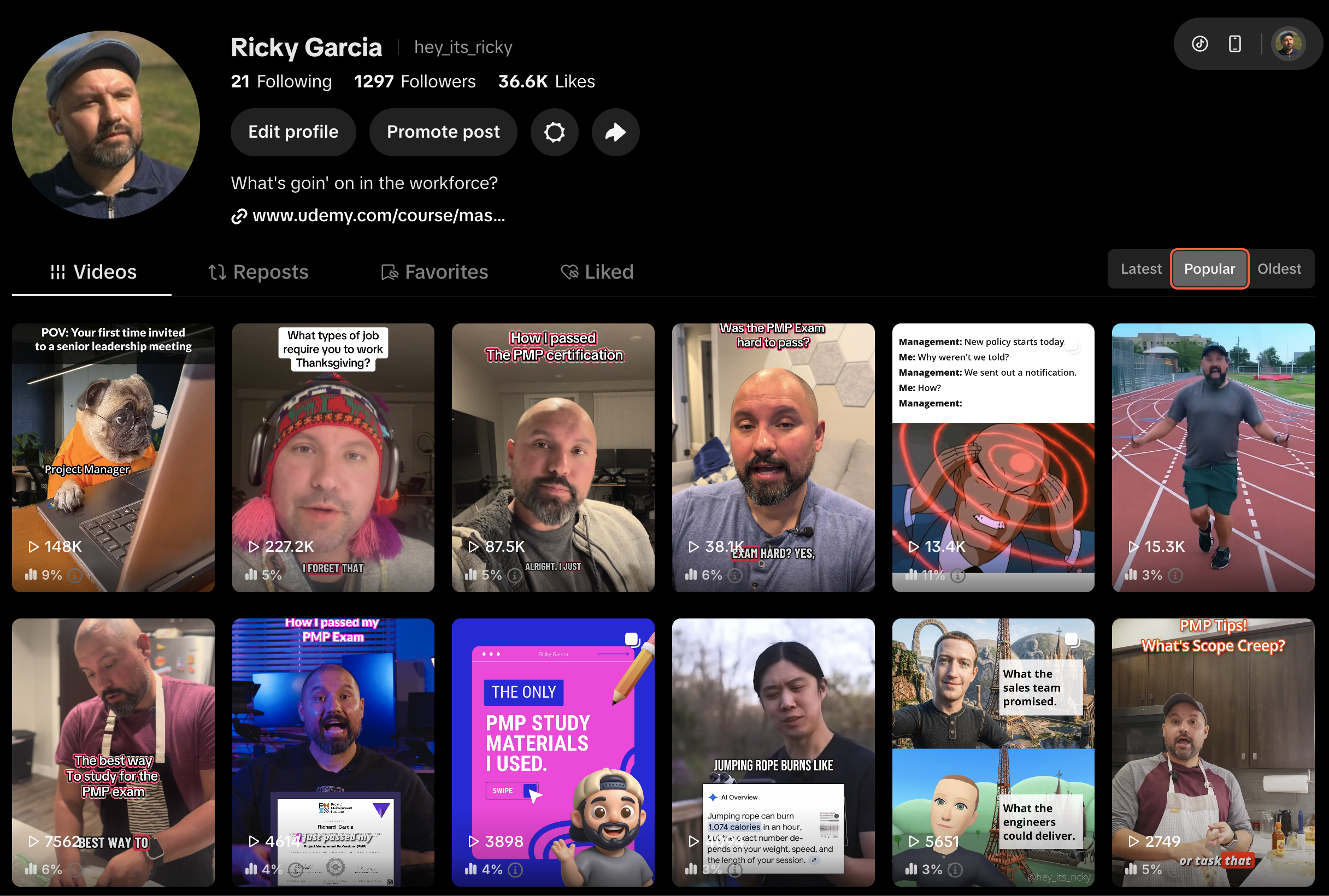
TikTok
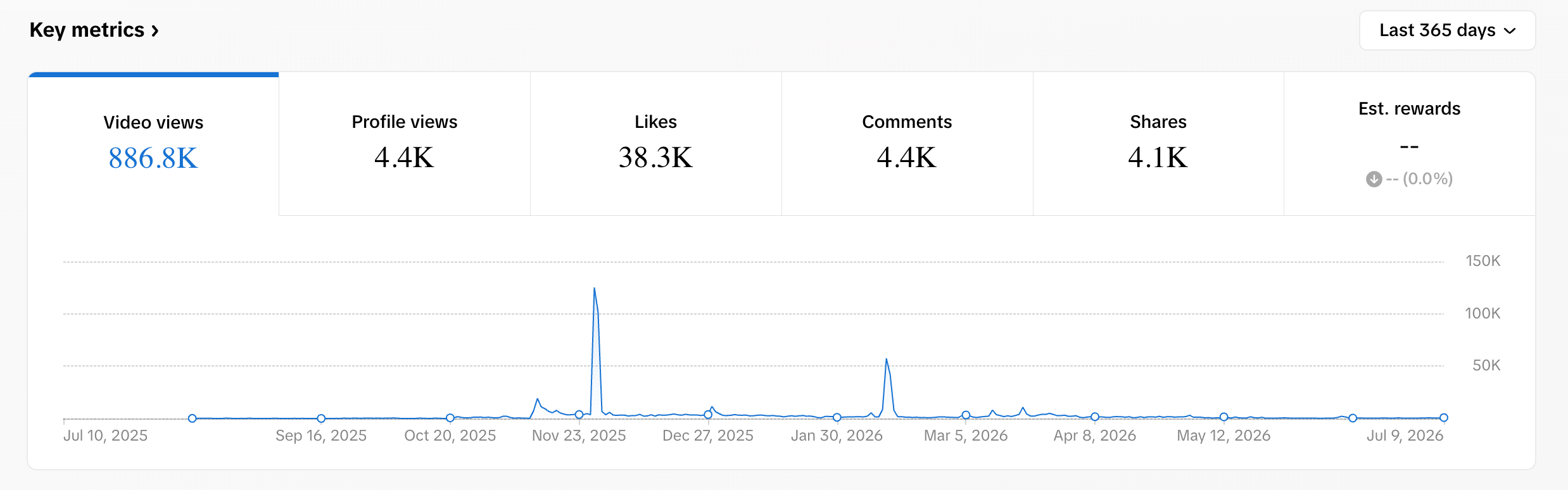
Views: 888,000+
Subscribers: 1,294
Content Examples
YouTube Shorts
A short-form fitness experiment testing a simple but extreme question through a timed jump rope challenge. The video blends curiosity, physical effort, and a clear outcome to keep viewers watching.
Performance highlights
Stayed to watch: 75%
Average viewed Duration: 87%
Duration: 41 seconds
Views: 35k+
TikTok
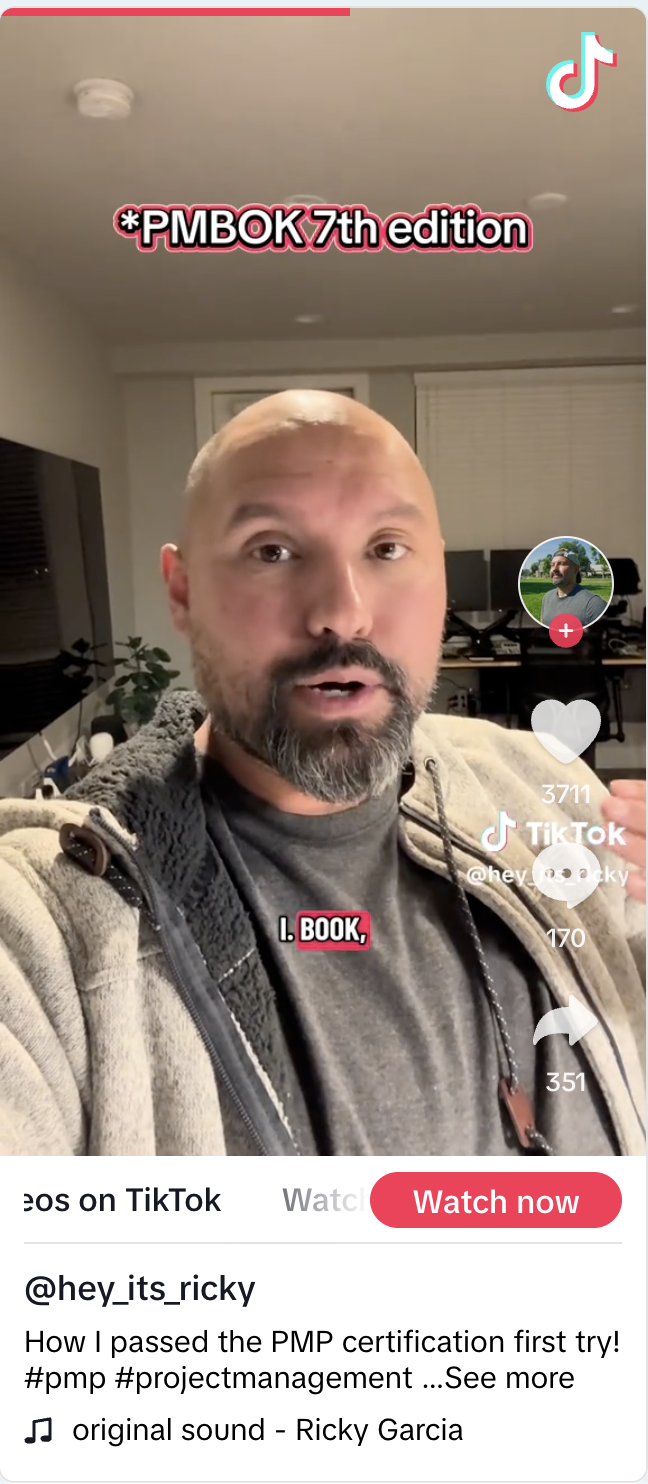
A niche, search-driven short, breaking down the exact study approach and materials I used to pass the Project Management Professional exam. Designed to be practical, save-worthy, and easy to revisit.
Performance highlights
Views: 87K
Shares: 379
Saves: 2,652
Likes: 3,989
Instagram Reels
Local event. All styles dance event sponsored by redbull. A mirrorless camera with a multiprime lens setup and a drone were used to capture each event covered in summer 2026.
Performance highlights
Reel Interactions: 140+
Duration: 39 seconds
Humorous video to gain top-of-funnel traction and capture attention. Great for brand awareness and shareability.
Performance highlights
Views: 148K
Shares: 2,026
Saves: 884
Likes: 11,000
Mini documentary-style on fitness icon Billy Blanks. Script writing, voice-over, minor motion design, and documentary and archival footage were used.
Performance highlights
Reel Interactions: 1,573
Duration: 56 seconds
A short-form educational and motivational short about the process of skilling up and becoming more valuable. Using YouTube’s remix feature to gain further reach.
Performance highlights
Stayed to watch: 64.7%
Average viewed Duration: 85.5%
Duration: 17 seconds
Views: 18.5K
Featured Campaign
The Original Fitness Influencer
Campaign Case Study
A narrative-driven short-form series exploring fitness influence before social media.
Objective
Combine proven fitness content with higher-end storytelling, pacing, and editing.
Audience
Fitness enthusiasts interested in the history and evolution of fitness culture.
Campaign
Three posts introduce the original fitness influencer, explain their impact, and connect their legacy to modern fitness. More entries are in development.
My Role
Research • Strategy • Scriptwriting • Production • Editing • Motion Graphics • Voice-over • Publishing
Takeaway
The project strengthened my use of scripting, pacing, archival imagery, B-roll, and voice-over to create engaging content without relying on spectacle.
Premium Short-form Content
See higher level production with lighting, mirrorless cameras, voice over, and many other tools of the trade to create compelling, hook-worthy content.
YouTube Longform
A long-form video combining research, on-camera storytelling, IRL footage, visual overlays, and thumbnail experimentation to explore the history and cultural impact of SlimFast through a challenge format.
This piece shows how I bring together research, narrative structure, production craft, and A/B-style iteration in a single project.
Views: 5k+
Watch time: 350+ hours
Average Viewer Duration: 3:57
More Recent
Higher production in:
Audio
Image
Lighting
Animations
Scripting