How I Create Content
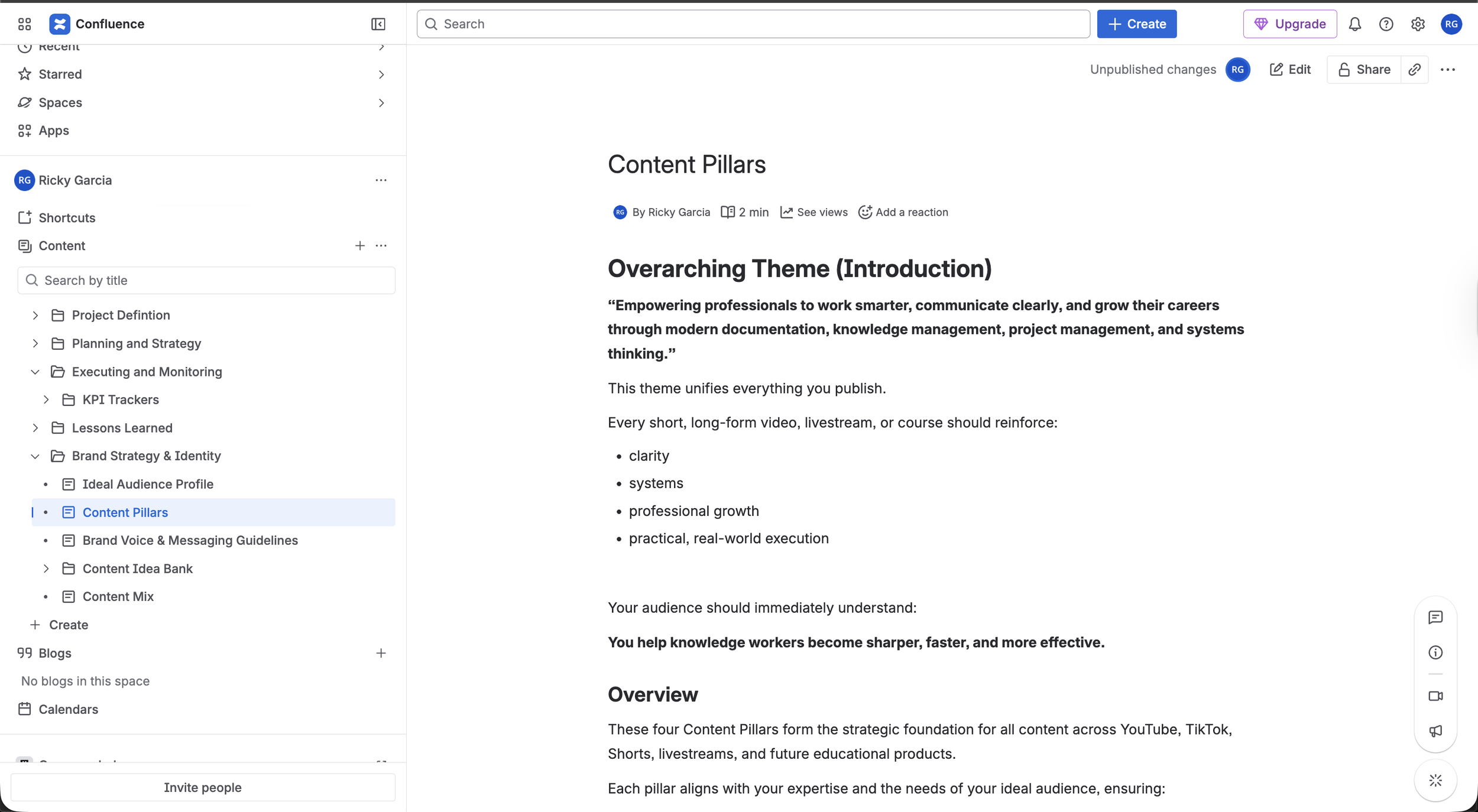
From strategy and storytelling,
to production, publishing, and optimization.
How I Use Systems
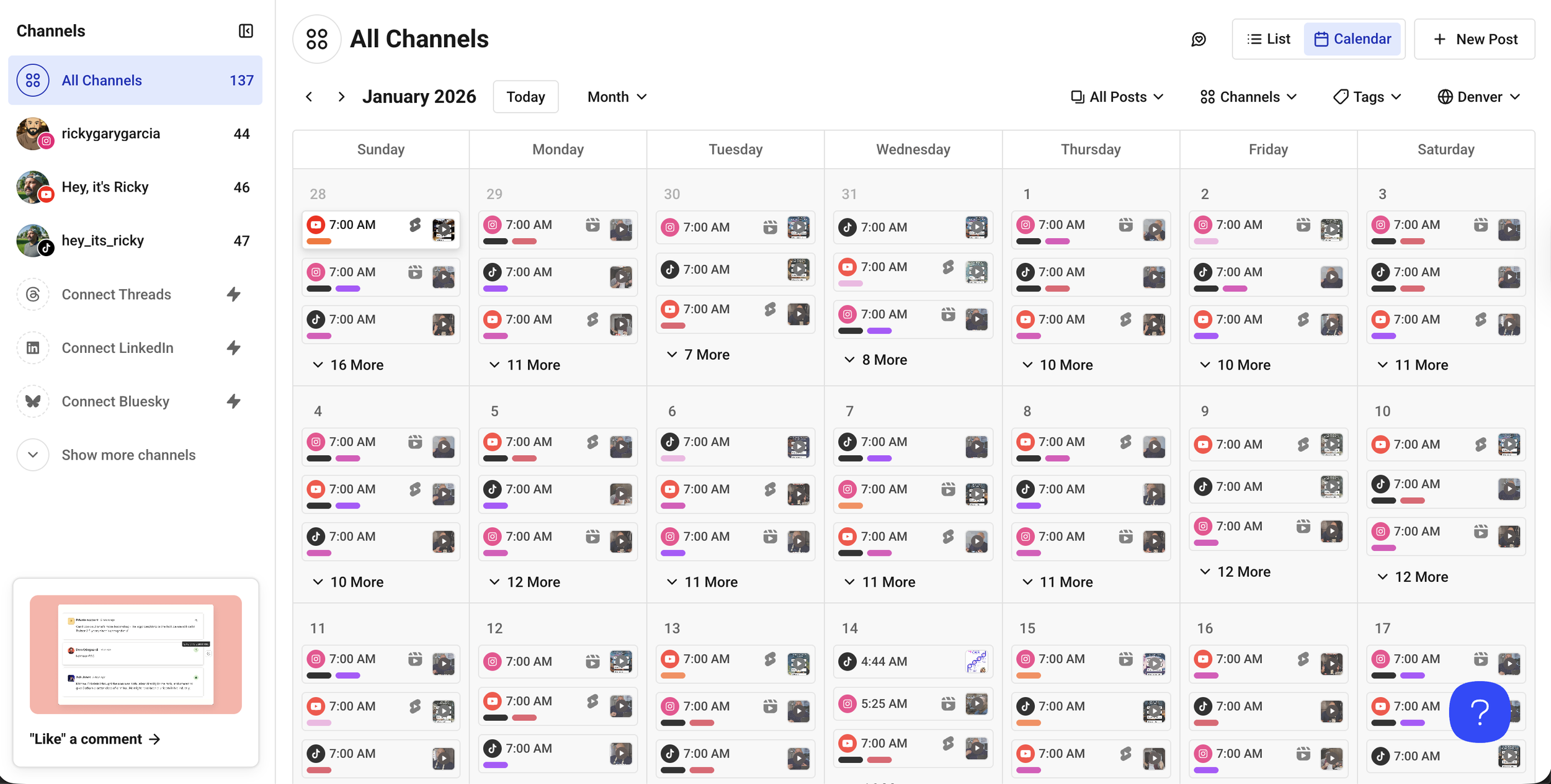
I use systems to plan content ahead of time, reuse ideas across formats, and learn from what actually performs.
That means fewer one-off posts, clearer themes over time, and workflows that make it easier to keep showing up without burning out.
I learned this by doing work on real projects, leading complex software efforts under real-world pressure.
I make custom blueprints to fit the situation —
not just following best practices.
How My Systems Work
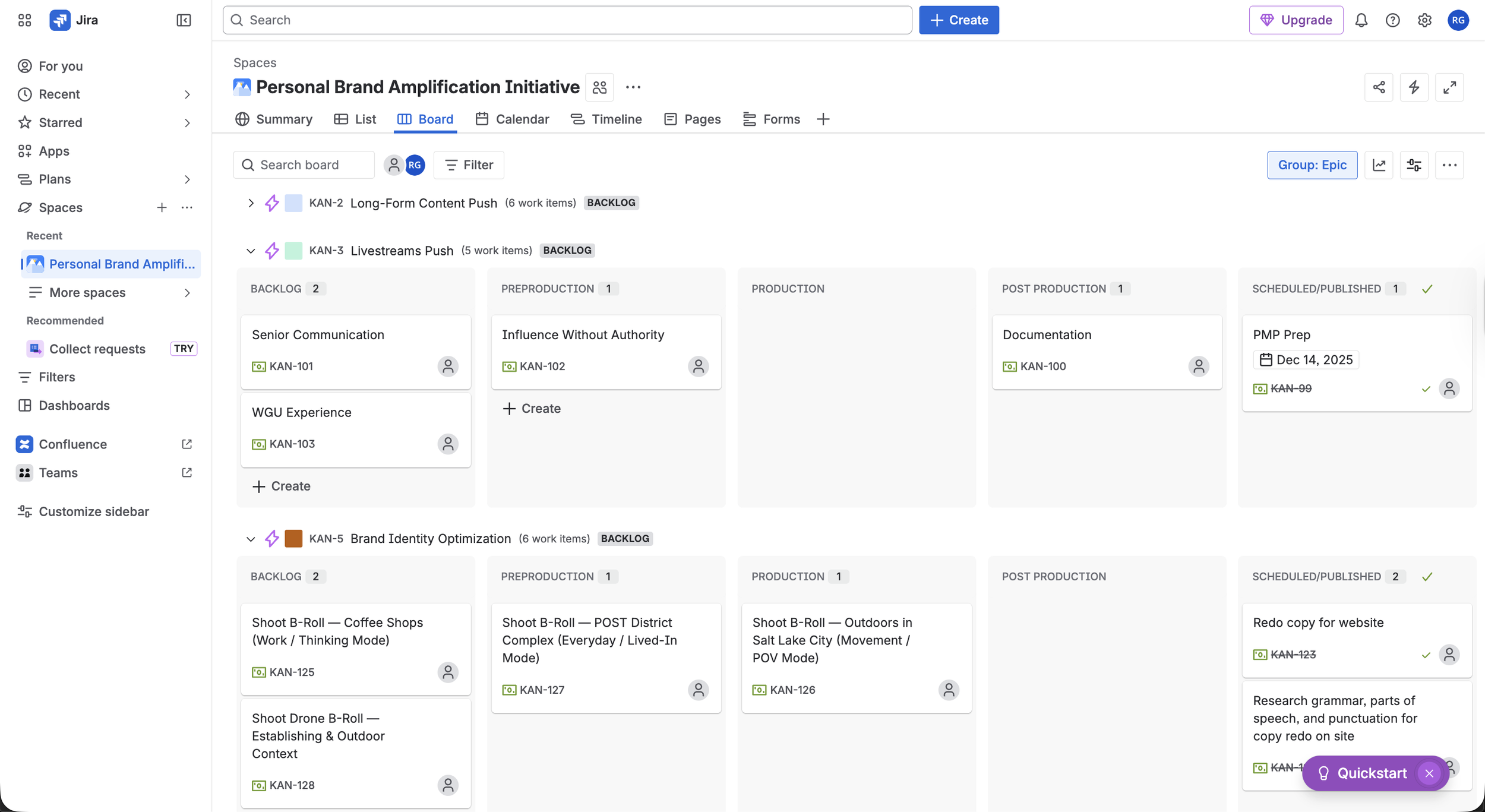
I learned to build systems by doing real work on real teams.
In fast-moving software environments, unclear goals and scattered information slow progress.
The system I use now reduces friction by documenting only what matters, planning work in short cycles, and keeping tasks visible.
Ideas are grouped into themes, reused across formats, and reviewed regularly so each cycle improves on the last.
By separating thinking, planning, creating, and reviewing, I move faster with less effort and stay consistent over time.
Strategy & Story
Start with the goal
I define the objective, research the target audience,
and review what has worked in related topics and other niches.
Evaluate the idea
I work backward from the goal and weigh the value against the time, effort, and production involved.
Build the story
I usually outline first, research second, and develop the hook after that.
Hooks may be visual, audio, or text-based, but they need to earn attention within the first three seconds.
Match the format
The level of scripting and production depends on the platform and concept.
Some pieces are fully scripted and polished. Others work better with a loose structure and lower-fidelity approach.
Focus areas:
Audience research • Goal definition • Idea evaluation • Story structure • Hook development • Platform fit
Production & Post
Match production to the goal
Production level depends on the platform, format, and
whether the content is organic or supported by ad spend.
Plan for the shoot
Scripted pieces use an audio-visual script.
Event coverage uses a flexible outline of the moments and materials to be captured.
Prioritize what matters
During production, I prioritize performance first, followed by clean audio and effective lighting.
Build the final piece
In DaVinci Resolve, the process may include a rough cut, B-roll, audio sweetening, color, graphics, and visual effects. Motion graphics are used primarily to strengthen hooks and support retention.
Not every project needs every step.
The process scales from intentionally low-fidelity content to highly produced work.
Focus areas:
Production planning • Performance • Audio • Lighting • Editing • Color • Motion graphics • Visual effects
What These Systems Enable
The system turns ideas into repeatable output.
Ideas are reused across formats and tested through variations instead of starting from scratch each time. This reduces decision fatigue and keeps the focus on execution rather than constant rethinking.
Regular review closes the loop, so each cycle improves based on what actually works.
This approach supports consistent publishing, faster learning, and a clearer voice over time.